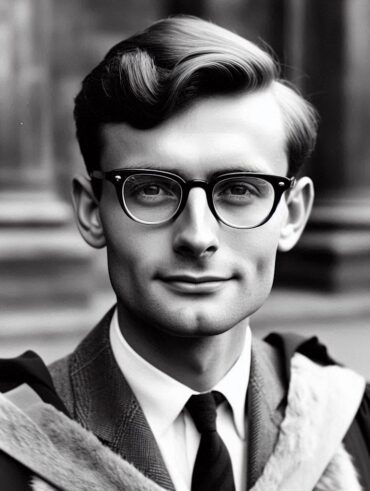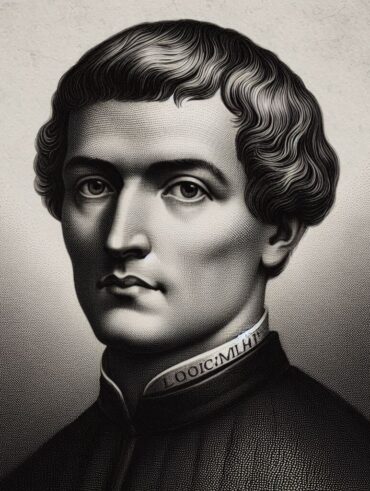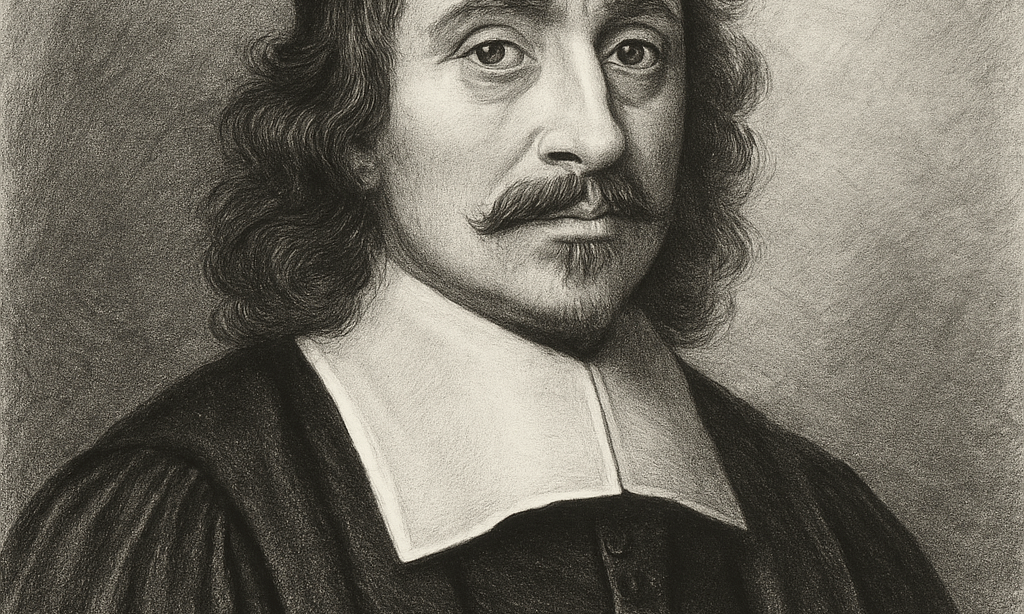


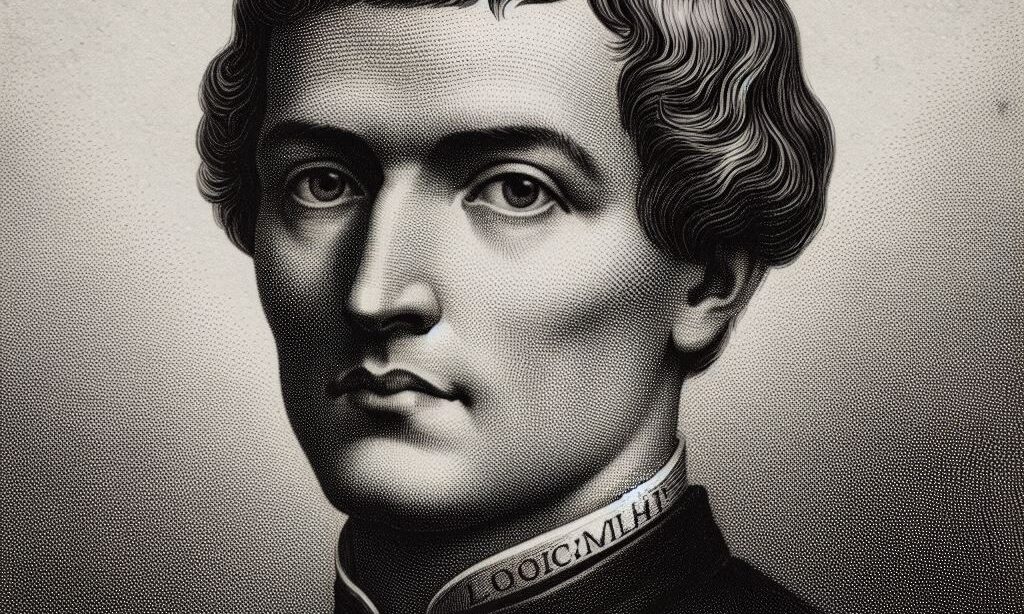
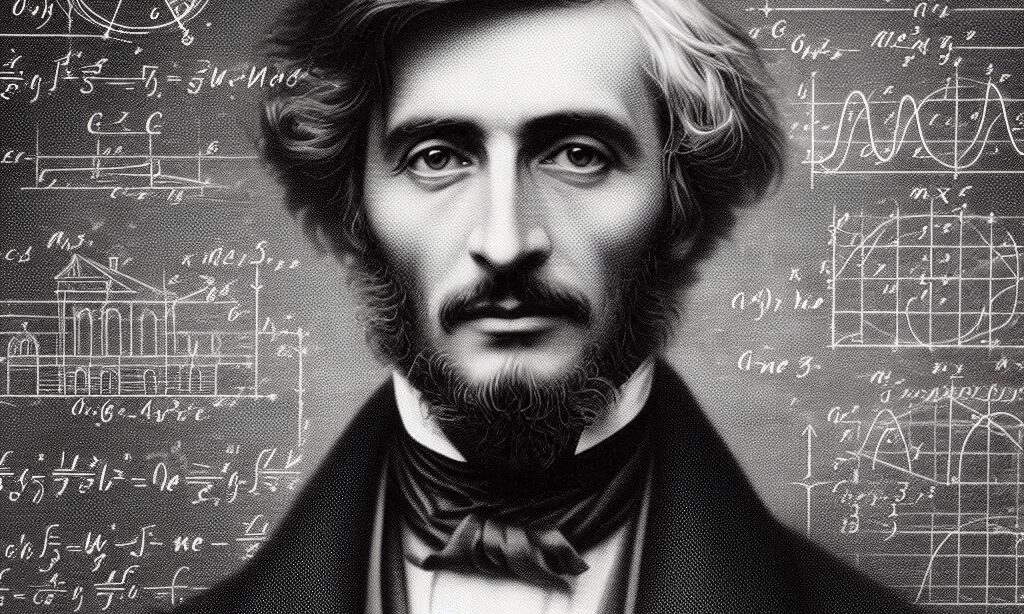
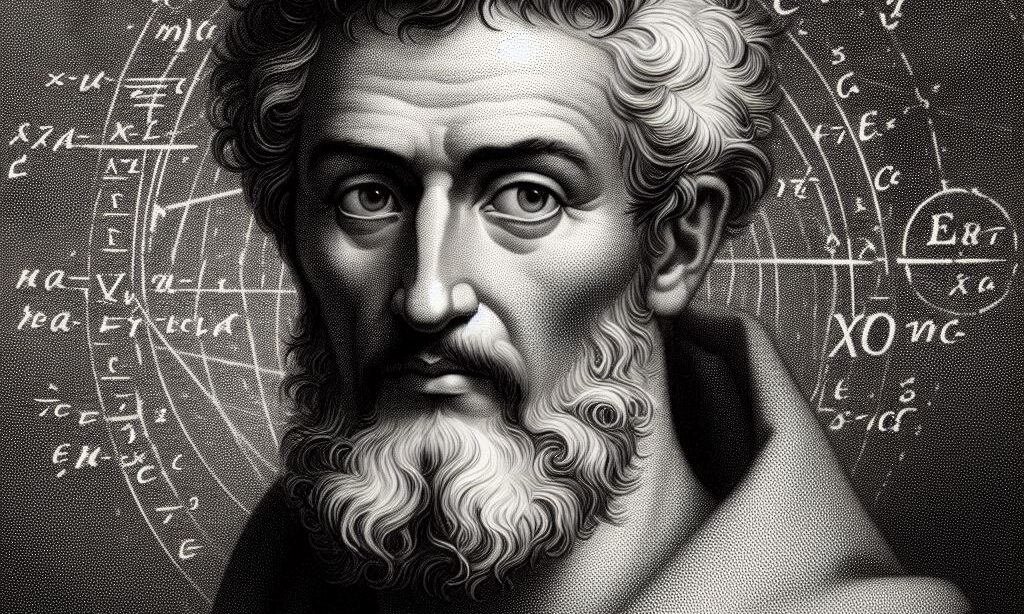
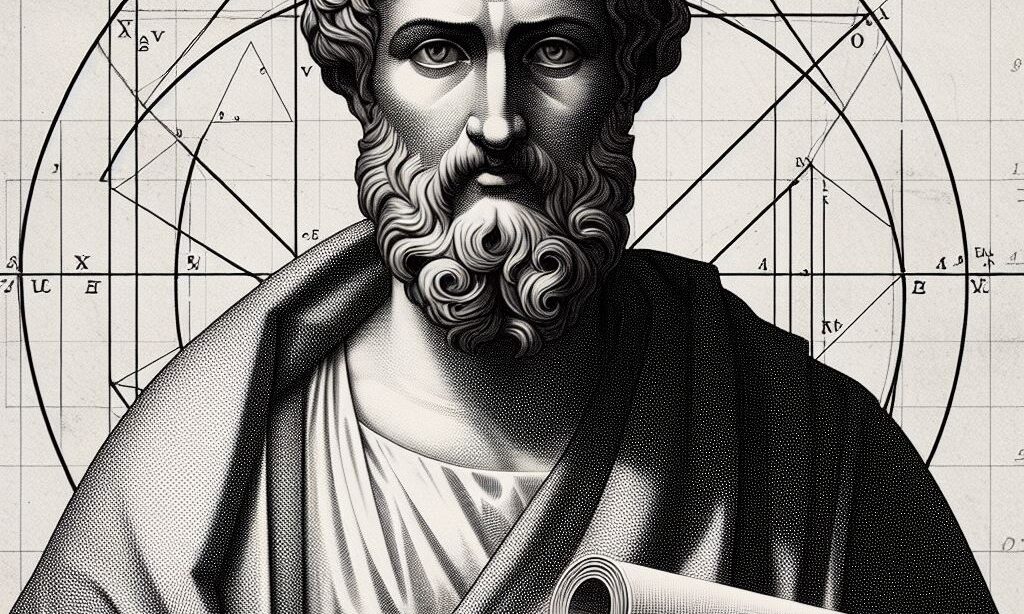
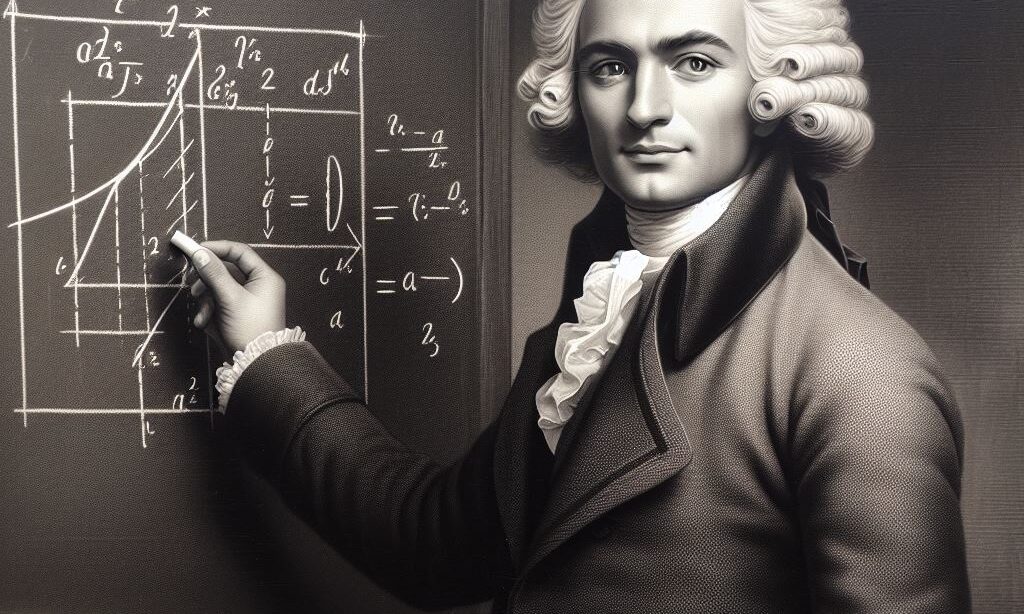
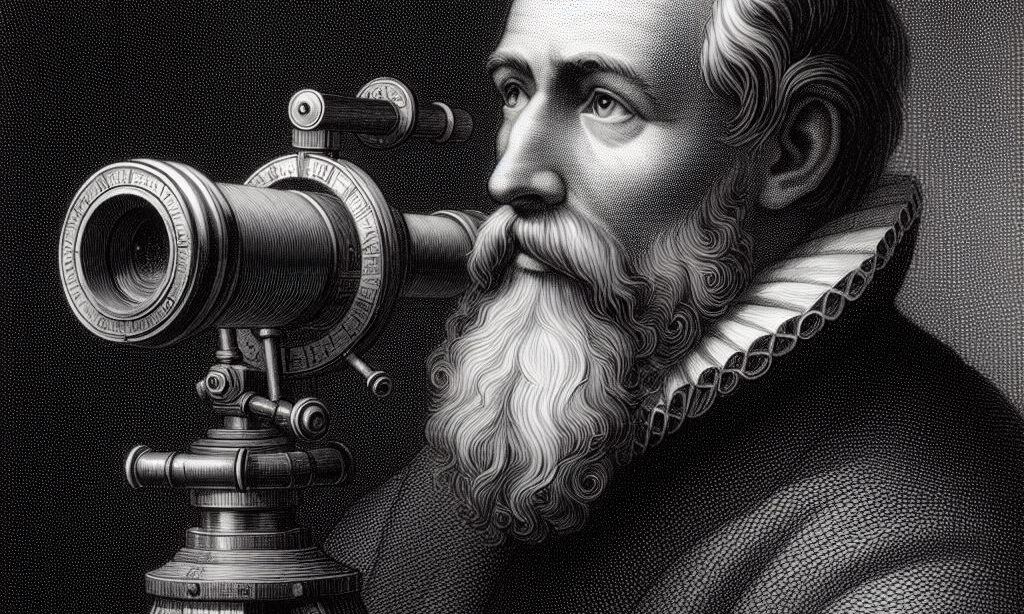
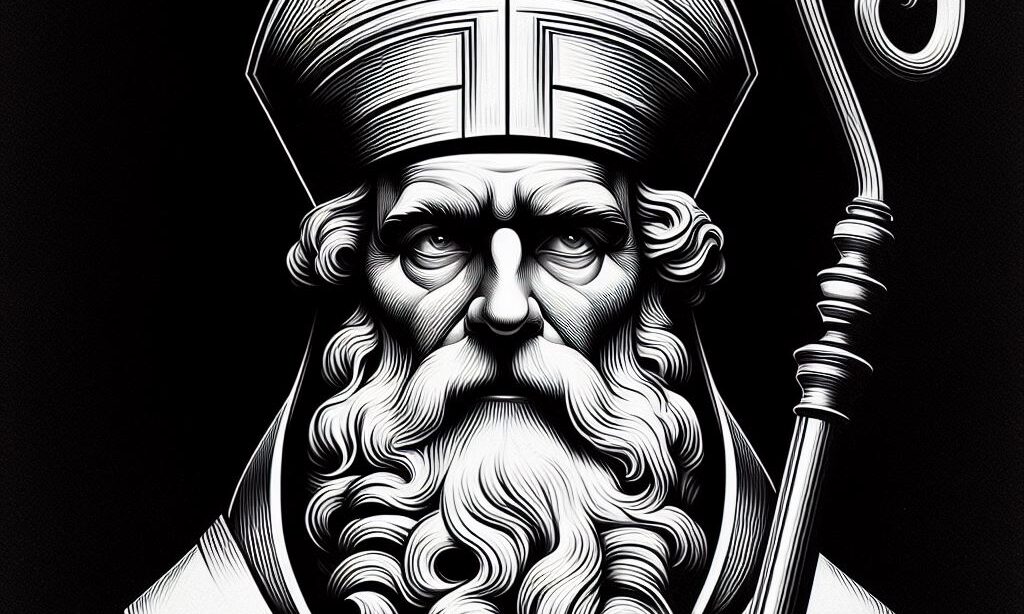
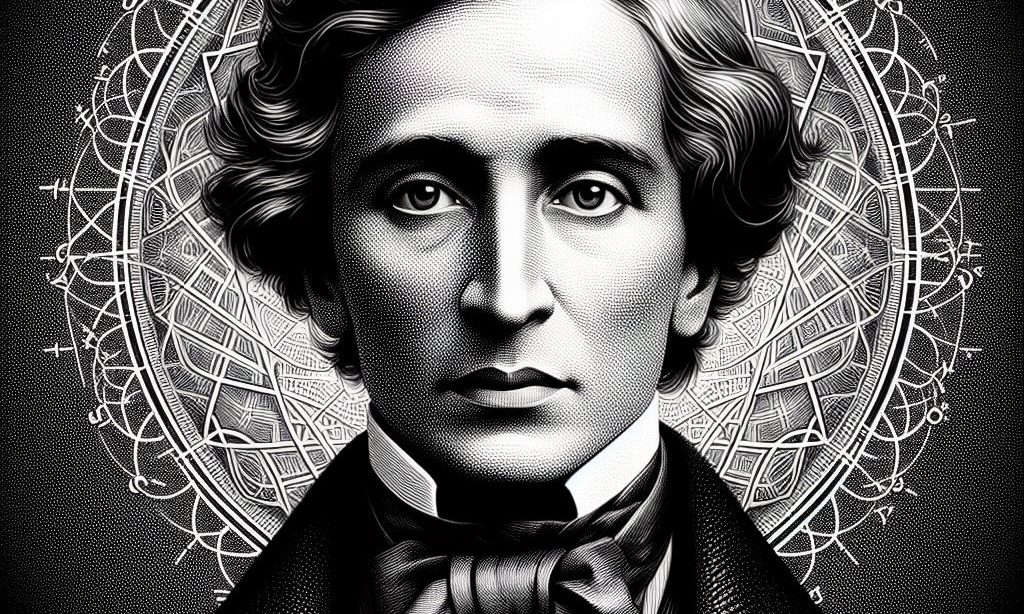
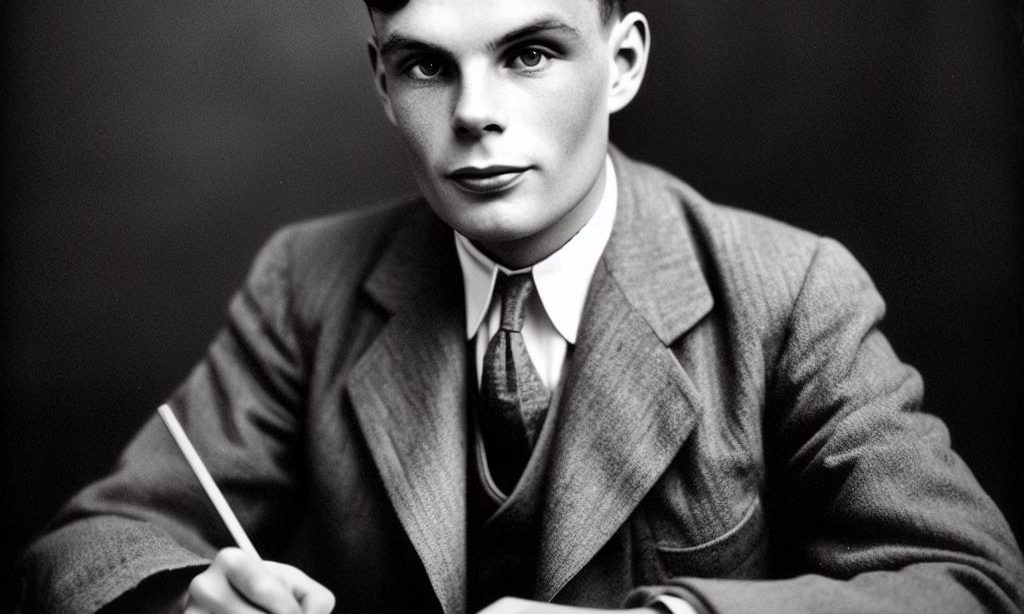
Pioneer of Non-Euclidean Geometry Giovanni Girolamo Saccheri (1667–1733) was an Italian Jesuit priest, philosopher, and mathematician whose work laid the groundwork for one of the most revolutionary ideas in mathematics: non-Euclidean geometry. Though largely overlooked during his lifetime, Saccheri’s exploration of alternatives to Euclid‘s parallel postulate would later inspire mathematicians such as Gauss, Bolyai, Lobachevsky, …
Stephen Hawking
Stephen Hawking, one of the most celebrated theoretical physicists and cosmologists of the modern era, made groundbreaking contributions to our understanding of the universe. His work, which spans the fields of mathematics, theoretical physics, and cosmology, has not only advanced scientific knowledge but also captured the public’s imagination. Despite living with amyotrophic lateral sclerosis (ALS) …
Fibonacci Sequence
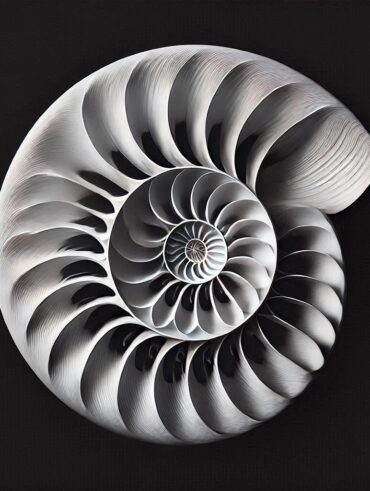
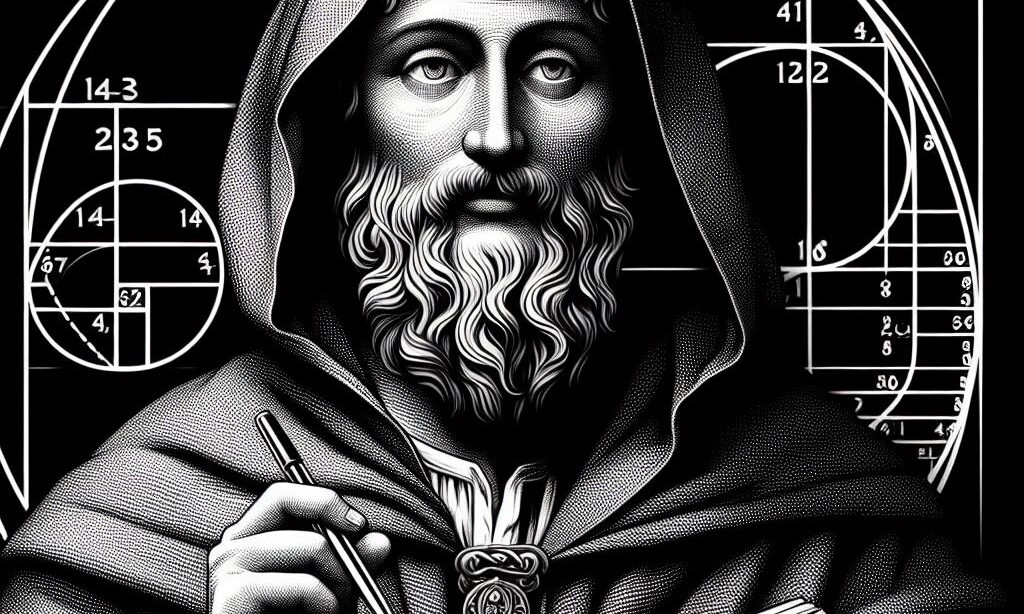
The Fibonacci Sequence: Math in Nature The Fibonacci sequence is one of the most iconic and widely studied concepts in mathematics. It represents a series of numbers in which each term is the sum of the two preceding terms, beginning with 0 and 1. Written as $$0,1,1,2,3,5,8,13,21,…$$, the sequence unfolds in a pattern that has …
Joseph Fourier
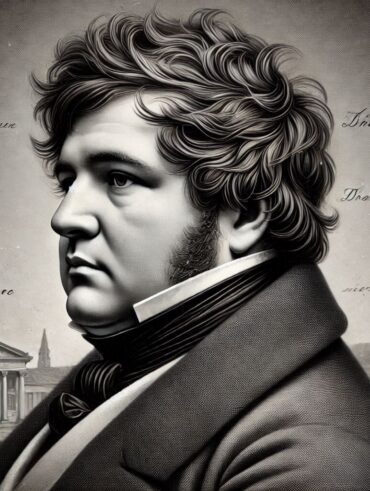
Joseph Fourier, a French mathematician and physicist, profoundly influenced the fields of mathematics, science, and engineering. Best known for his development of Fourier analysis and the study of heat transfer, Fourier’s work laid the foundation for modern signal processing, thermodynamics, and even quantum mechanics. His innovative ideas continue to shape numerous disciplines, from mathematics to …
John Forbes Nash Jr.
John Forbes Nash Jr. (1928–2015) was an American mathematician renowned for his groundbreaking work in game theory, differential geometry, and partial differential equations. Despite facing significant personal challenges, including a long battle with mental illness, Nash’s contributions to mathematics and science have left an indelible mark on fields as diverse as economics, biology, computer science, …
Wang Fan
Wang Fan: His Impact on the History of Mathematics and Science Wang Fan (王蕃), a lesser-known yet influential Chinese mathematician and astronomer from the Three Kingdoms period (220–280 CE), made significant contributions to the development of mathematics and science in ancient China. While his name may not be as widely recognized as that of other …
Bhaskara I
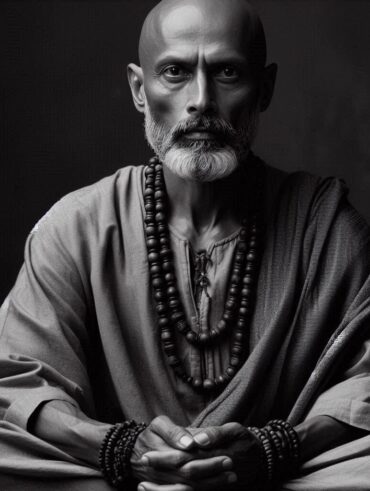
Bhaskara I (c. 600–c. 680 CE) was a prominent Indian mathematician and astronomer who played a crucial role in the development of mathematical concepts and astronomical methods in ancient India. While his name is often overshadowed by the later Indian mathematician Bhaskara II (also known as Bhaskaracharya), Bhaskara I’s contributions were significant and have had …
Pascal’s Triangle
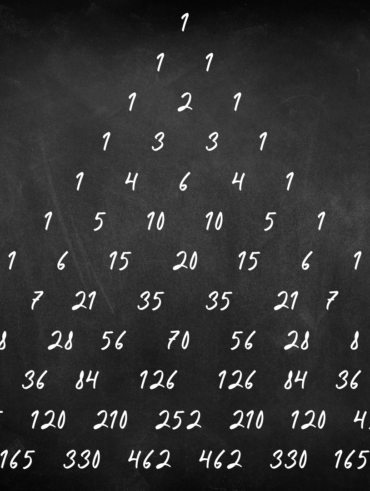
Pascal’s Triangle is one of the most recognizable patterns in mathematics, featuring a triangular arrangement of numbers with significant properties and applications. Although it is named after Blaise Pascal, the famous French mathematician and philosopher who studied and formalized its structure in the 17th century, the concept behind Pascal’s Triangle dates back to ancient civilizations. …
Daniel Bernoulli
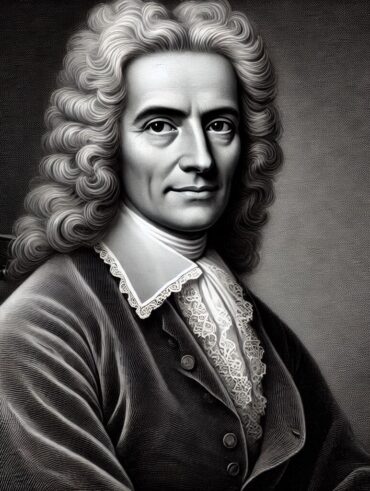
Daniel Bernoulli: The Mathematician Who Bridged Mathematics and Science Daniel Bernoulli (1700–1782) was a Swiss mathematician and physicist, widely regarded as one of the leading figures in the history of science. As a member of the renowned Bernoulli family, which produced several prominent mathematicians, Daniel carved his own legacy by blending mathematical theory with practical …
Bonaventura Cavalieri
Bonaventura Cavalieri (1598–1647) was an Italian mathematician and a key figure in the early development of calculus and geometry. Known for his groundbreaking work in infinitesimal methods, Cavalieri’s ideas laid the groundwork for future mathematical advancements by Isaac Newton, Gottfried Wilhelm Leibniz, and others. His contributions to mathematics and science are celebrated as milestones in …