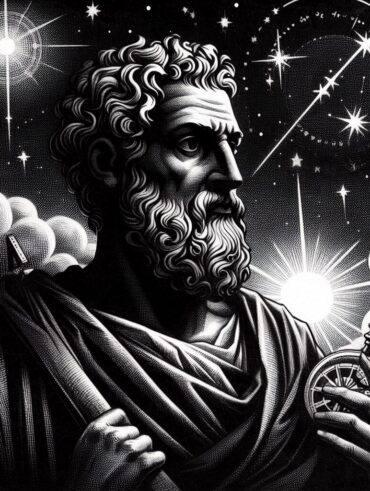





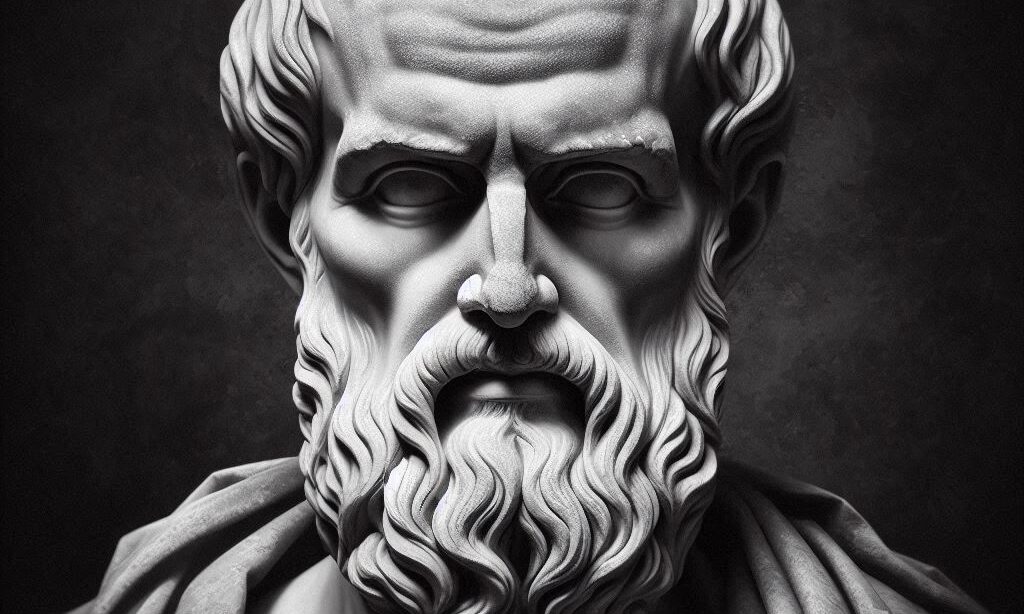
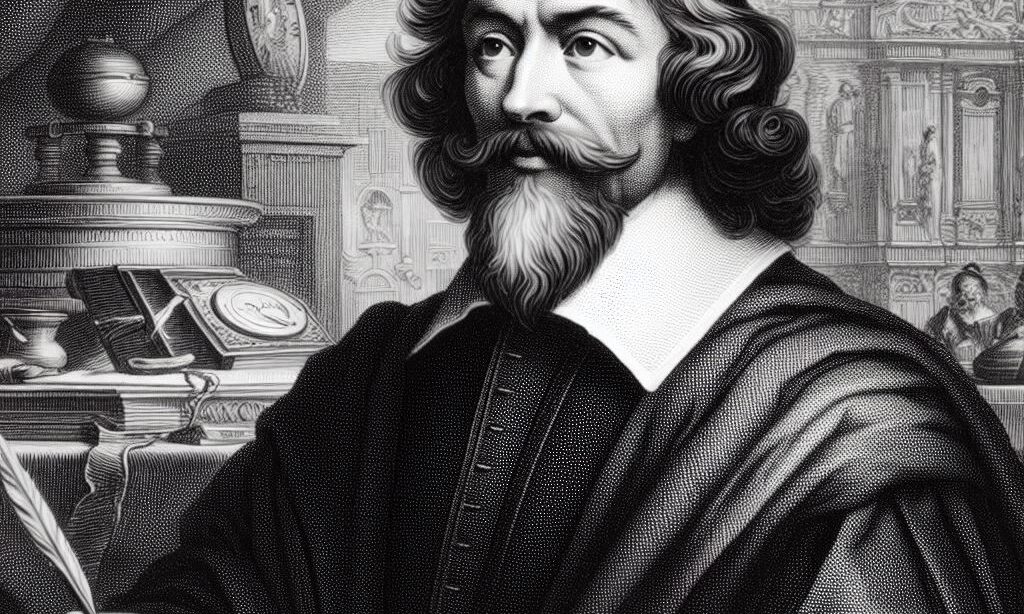




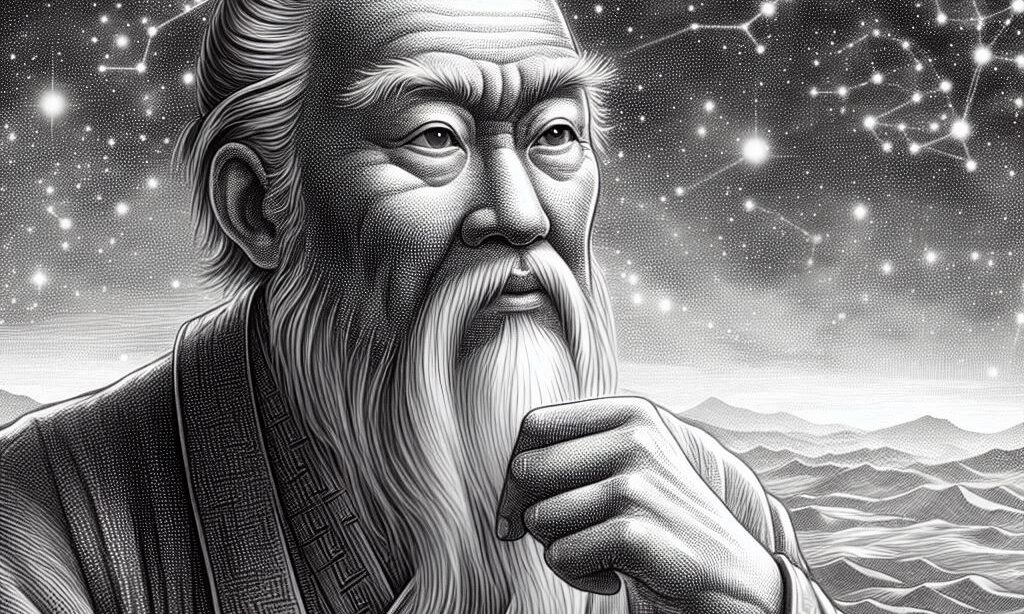



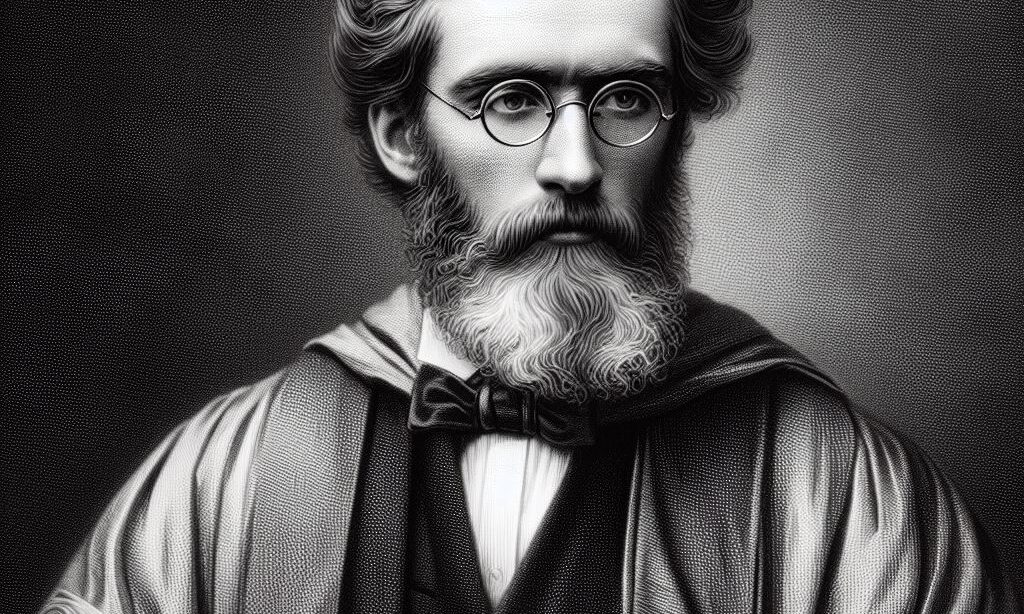
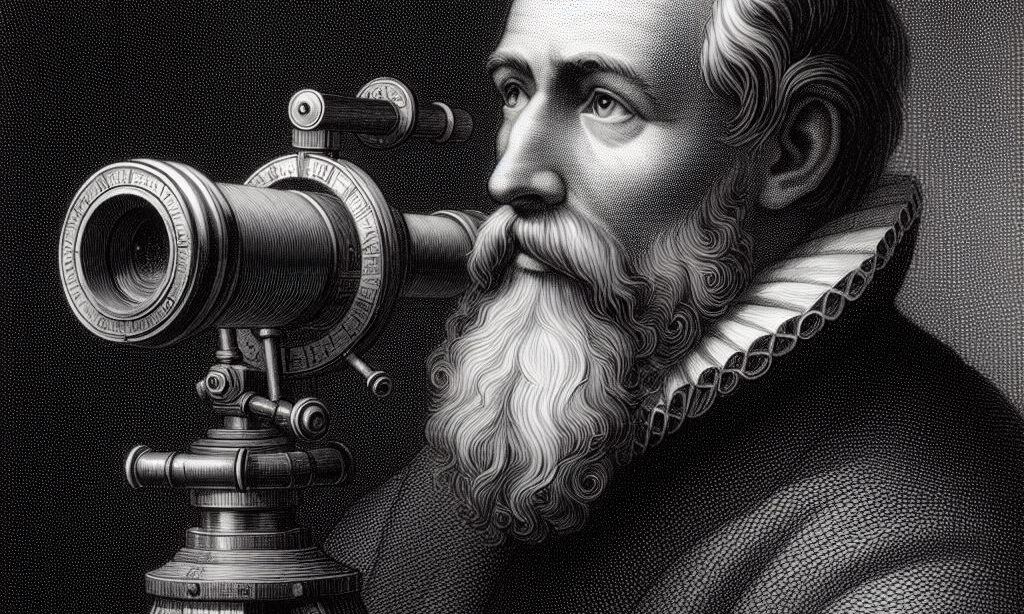
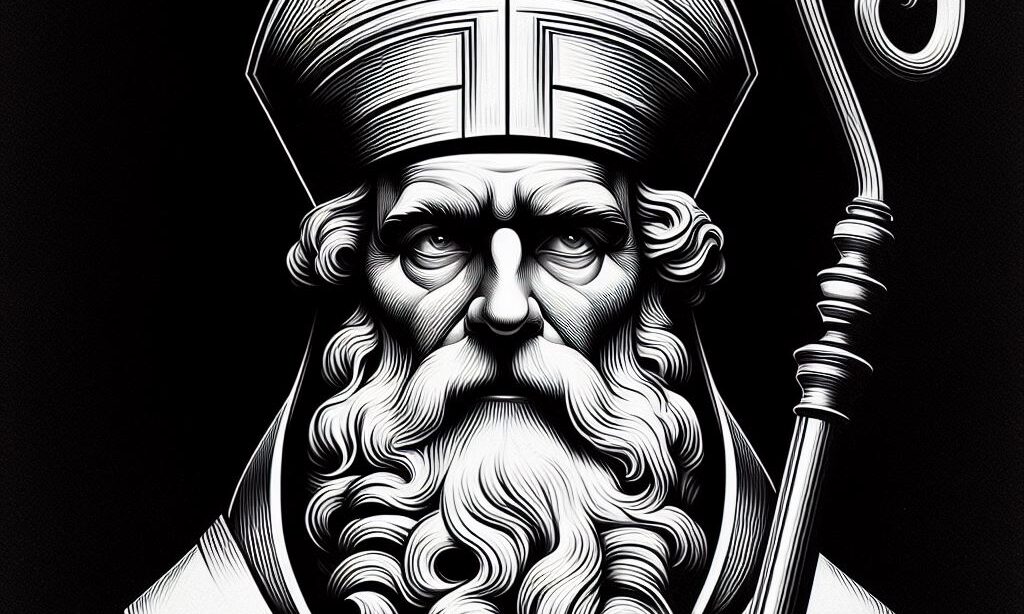
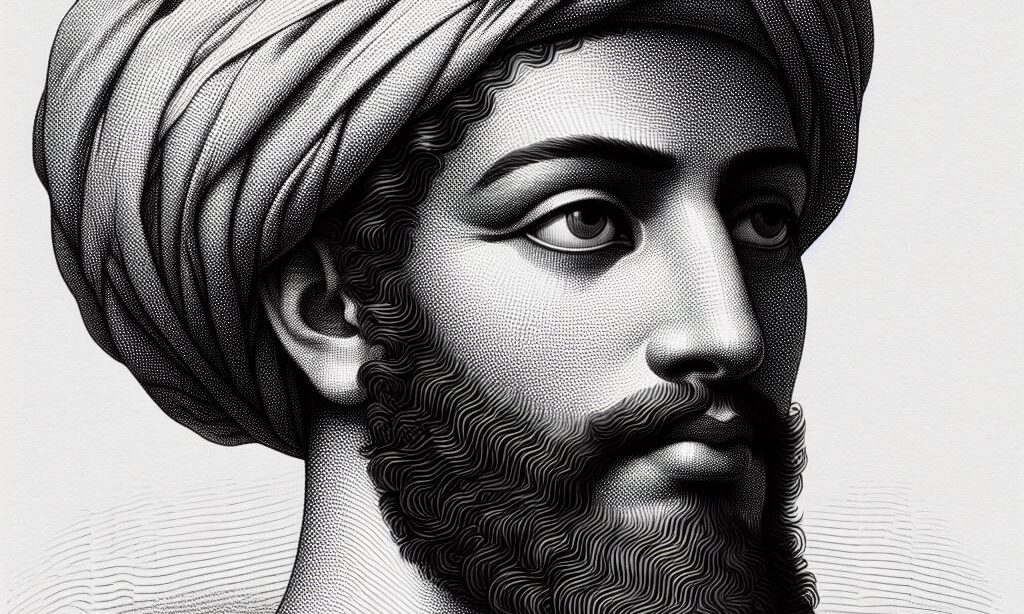

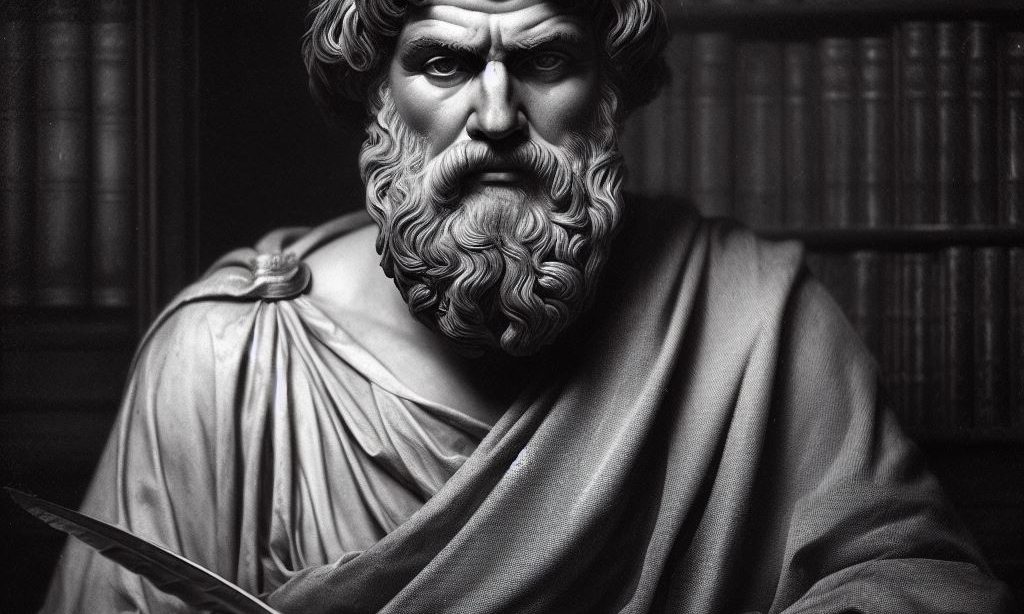


Archimedes – The Father of Mathematics Archimedes of Syracuse, born in 287 BCE and considered one of the greatest mathematicians of antiquity, made groundbreaking contributions to mathematics, physics, and engineering. His inventive mind and rigorous methods laid foundational concepts for future generations, spanning the fields of geometry, calculus, and mechanics. Often called “the father of …
Conic Sections
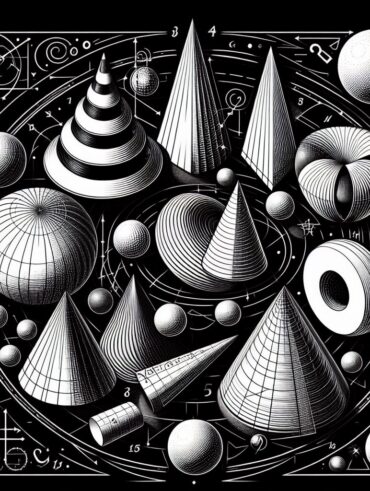
Conic Sections: A Journey Through History Conic sections are among the most important and enduring concepts in mathematics, with applications spanning from geometry and physics to astronomy and engineering. These shapes, which include circles, ellipses, parabolas, and hyperbolas, arise from the intersection of a plane and a double-napped cone. The development of the theory of …
Alfred of Saxony
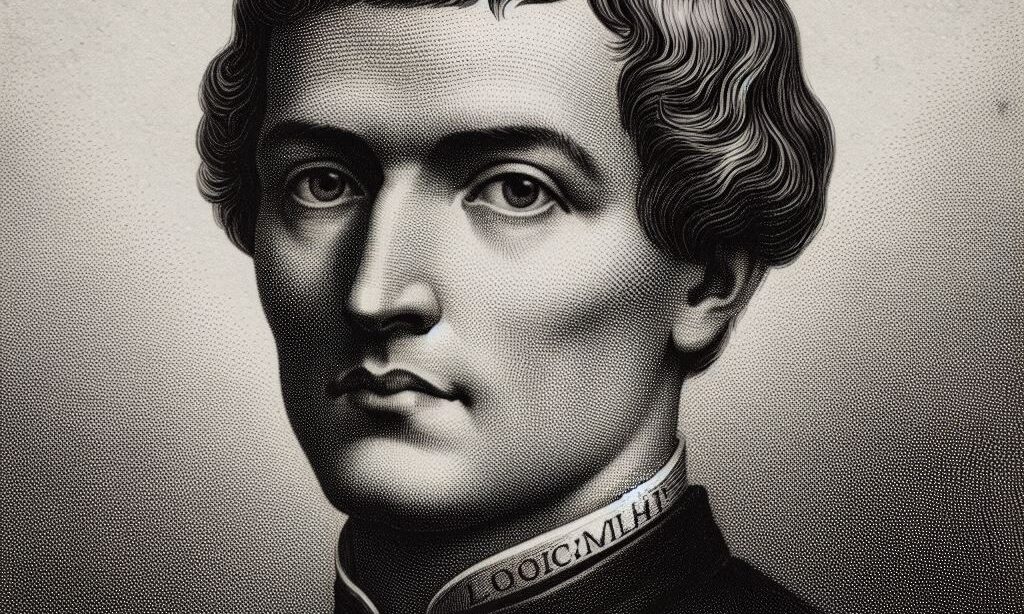
Alfred of Saxony – Logic, Philosophy and Mathematics Alfred of Saxony, born around 1320 and deceased in 1390, was an influential figure in medieval European intellectual life. He was a philosopher, logician, theologian, and mathematician who played a significant role in the early development of mathematical thought during the late Middle Ages. Alfred’s intellectual contributions …
Democedes of Crotona
Democedes of Crotona: The Pioneering Greek Physician Democedes of Crotona was a Greek physician who lived during the 6th century BCE. His contributions to the fields of medicine and science, although often overshadowed by later figures, were significant and laid the groundwork for the evolution of medical practices in the ancient world. While not directly …
Rhind Mathematical Papyrus
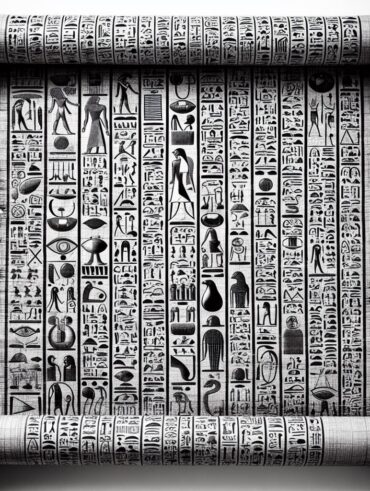
The Rhind Mathematical Papyrus is an ancient Egyptian document, dating back to around 1550 BCE, that provides a detailed insight into the mathematics practiced by the Egyptians. Named after Alexander Henry Rhind, the Scottish antiquarian who purchased it in 1858, the papyrus is a scroll over 5 meters long and contains 84 mathematical problems and …
Ptolemy
Ptolemy: A Legacy of Mathematical and Scientific Innovation Claudius Ptolemy, commonly known simply as Ptolemy, was a Greek-Egyptian scholar whose work in mathematics, astronomy, geography, and optics left an indelible mark on the history of science. Living in the 2nd century AD, Ptolemy’s contributions to these fields were so profound that his works remained influential …
al-Fazārī
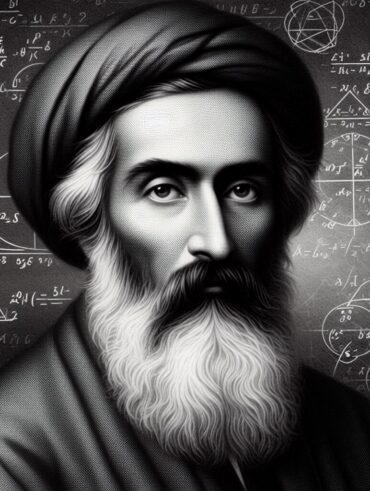
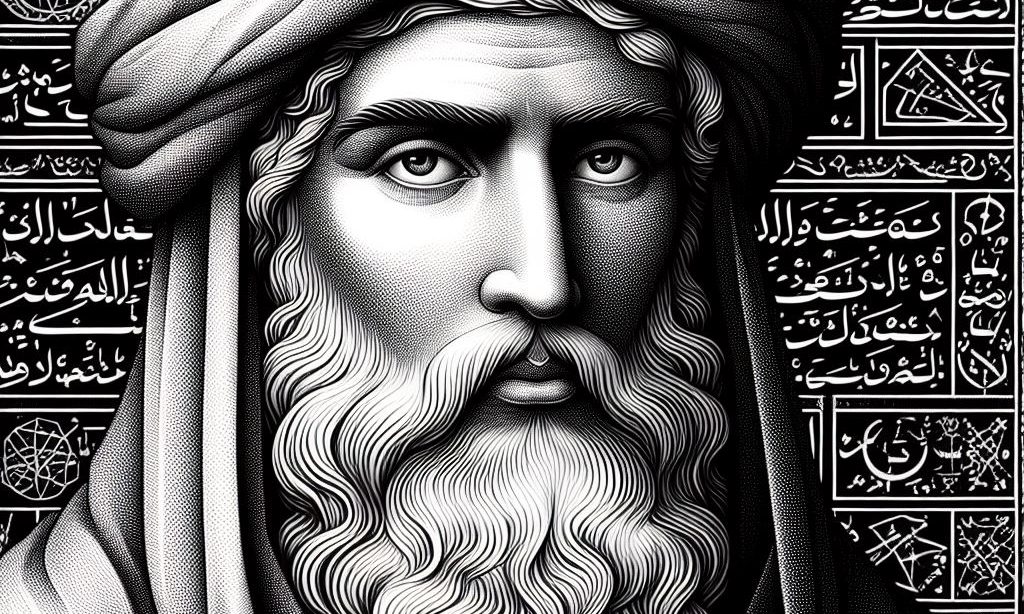
Muḥammad ibn Ibrāhīm al-Fazārī محمد بن ابراهيم الفزاري Muḥammad ibn Ibrāhīm al-Fazārī, an 8th-century scholar, astronomer, mathematician, and translator, played a pivotal role in the development of scientific knowledge during the Islamic Golden Age. His contributions to mathematics and the sciences, particularly in the fields of astronomy and astrology, were foundational and had a lasting …
Ada Lovelace
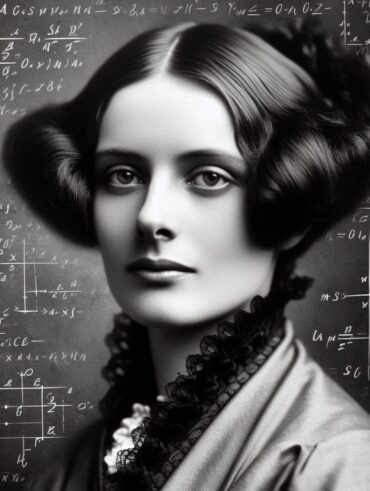
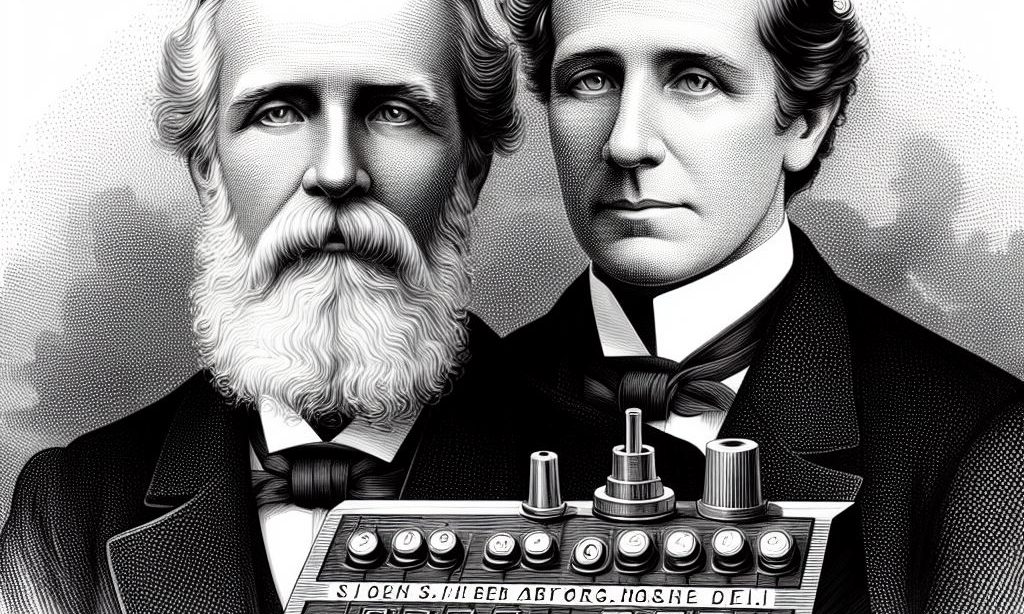
Celebrating Ada Lovelace: The Enchantress of Numbers and Her Enduring Legacy in Math and Science Ada Lovelace, born Augusta Ada Byron on December 10, 1815, in London, England, is celebrated as a pioneering figure in the history of computing. She is often considered the world’s first computer programmer, thanks to her visionary work on Charles …
Andrew Wiles
The Mathematician Who Solved Fermat’s Last Theorem Andrew Wiles, or more correctly Sir Andrew John Wiles KBE FRA, a renowned mathematician, is best known for his groundbreaking proof of Fermat’s Last Theorem, a problem that had puzzled mathematicians for over 350 years. Wiles’ achievement, announced in 1994, marked a significant milestone in the history of …
Pi – π
The History and Mystery of Pi: From Ancient Babylon to Modern Mathematics Pi, denoted by the Greek letter π, is perhaps one of the most famous and intriguing mathematical constants. Defined as the ratio of a circle’s circumference to its diameter, pi is an irrational number, meaning it cannot be expressed as a simple fraction …